 Skip to content
African Herbal Remedies: The Power of Traditional South African Healing
ByAHP
Introduction: The Growing Interest in African Herbal Remedies
Across the world, more people are turning to natural wellness practices and traditional healing systems. Among the most respected and culturally rich traditions is the use of African herbal remedies or herbal mixtures, a powerful form of natural medicine deeply rooted in ancestral knowledge and indigenous plants, roots, and traditional African trees.
For centuries, communities across Africa have relied on herbs, roots, minerals, and botanical extracts to maintain health, restore balance, and protect spiritual well-being. These remedies form the foundation of traditional African healing practices that combine physical, emotional, and spiritual wellness.
In South Africa particularly, traditional healing practices remain widely respected and continue to play an important role in everyday life. Locally prepared herbal remedies are used for everything from immune support and respiratory health to spiritual cleansing, protection, and emotional balance.
Today, companies like Avent Herbal Products (AHP) are helping preserve this ancient wisdom by providing carefully prepared herbal blends that align with traditional practices while meeting modern quality standards.
In this guide, we explore the history, benefits, and growing popularity of African Herbal Remedies, and how these natural solutions continue to support holistic wellness.
What Are African Herbal Remedies?
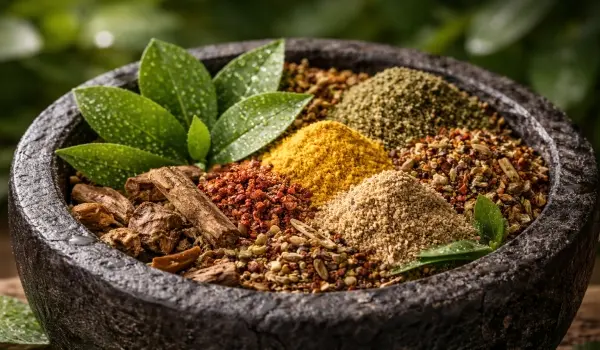
African Herbal Remedies refer to natural treatments derived from indigenous plants, herbs, roots, bark, and minerals traditionally used in African healing systems.
These remedies are often prepared in several forms, including:
- Herbal powders
- Roots and stems such as Mondia whitei, commonly known as the Mulondo root
- Spiritual cleansing mixtures
- Herbal teas
- Oils and tinctures
- Herbal bath salts
- Cleansing baths such as Siwasho
Unlike many modern treatments that focus only on physical symptoms, traditional African herbal medicine takes a holistic approach, addressing the connection between the body, mind, and spiritual energy.
Many African healing traditions believe that illness may arise from:
- Physical imbalance
- Emotional stress
- Spiritual attacks and disturbances
- Environmental or energetic influences
To give more clarity on the above, physical imbalances refer to normal illnesses or sicknesses that require a well trained physician, chemist, or doctor who may recommend appropriate African herbal remedies.
Emotional stress may arise from intense emotions such as fear, anger, or sadness, often triggered by life changes, relationship issues, or work pressure. In such cases, African herbal remedies, such as a spiritual Siwasho bath, can help restore balance and peace, while stress relieving teas or powerful roots like ashwagandha may also be recommended.
Spiritual attacks and disturbances, such as witchcraft, hexes, curses, the evil eye, voodoo, or harmful spells, are believed by many to occur within our environments. Many people may not know how to recognize their symptoms, which can make matters worse. At Avent Herbal Products, we work with highly qualified practitioners who can assist in identifying these challenges, whether in person or online, and provide appropriate guidance and natural solutions for such concerns.
Environmental or energetic influences include external factors, from physical surroundings to subtle energies, that can affect human health, behavior, and well-being. These influences may contribute to issues such as stress, mood swings, fatigue, and emotional imbalance.
For this reason, African Herbal Remedies are often used for both physical healing and spiritual cleansing.
The History of African Herbal Medicine
Ancient Knowledge Passed Through Generations
The use of African Herbal Remedies dates back thousands of years and has been passed down through generations of healers and herbalists.
Indigenous communities across Africa developed extensive knowledge of local plants and their medicinal properties. This knowledge was preserved through oral tradition, apprenticeships, and cultural rituals.
Traditional healers learned how to identify plants, harvest them sustainably, and prepare herbal mixtures that could treat a wide range of conditions.
Many of these remedies are still used today, demonstrating the enduring value of traditional African herbal medicine.
The Cultural Importance of Traditional Healing
In many African cultures, healing practices go beyond physical treatment. Health is viewed as a state of balance between physical health, emotional stability, and spiritual harmony.
African herbal traditions therefore often incorporate:
- Herbal remedies
- Spiritual cleansing rituals
- Prayer or ancestral guidance
- Energy purification practices
These practices reflect a deep understanding of the relationship between nature, spirituality, and human well-being.
The Role of Traditional Healers in African Herbal Medicine
Traditional healers are highly respected members of many African communities. They act as guardians of ancestral knowledge and are responsible for preserving the practice of African Herbal Remedies.
Two common types of traditional healers include:
Sangomas
Sangomas are spiritual healers who communicate with ancestors to diagnose spiritual or emotional disturbances. They may perform rituals, provide guidance, and recommend herbal remedies for cleansing and protection. Sangomas are believed to have rare abilities that are inherited directly from their ancestors.
Inyangas
Inyangas are herbal specialists who focus on the preparation and administration of herbal medicines. They possess extensive knowledge of medicinal plants and their healing properties. Inyangas are believed to learn this knowledge passed down through generations of wisdom from their ancestors.
Together, these healers play a vital role in maintaining the tradition of African herbal medicine.
Popular African Herbal Remedies Used in South Africa
South Africa is home to hundreds of medicinal plants used in traditional healing. Some of the most respected herbs include the following.
Imphepho (Helichrysum species)
Imphepho is one of the most sacred herbs used in African spiritual practices.
Traditional Uses
- Spiritual cleansing
- Protection from negative energies
- Communication with ancestors
- Respiratory support
Imphepho is commonly burned as incense during spiritual rituals to cleanse spaces and promote spiritual harmony.
Vulakuvaliwe Roots
Vulakuvaliwe is an African herbal remedy made from powerful spiritual roots
Traditional Uses
- Used to remove blockages
- Create new beginnings
- Open paths to success and prosperity
- Attract good luck
It can be combined with Siwasho salts, oils, incense, and herbal soap to enhance their effectiveness and deliver faster results.
Umkhanyakude (Acacia xanthophloea)
The Mkhanyakude tree is one of the most sacred trees used in African spiritual practices, particularly in Southern Africa, especially its bark.
- It is valued for luck
- Attraction
- Protection
- Helps one stand out and be admired
It can be combined with Siwasho salts, oils, incense, and herbal soap to enhance effectiveness and deliver faster results.
Mpinda Mshaye
Mpindamshaye tree is one of the most sacred trees used in African spiritual practices, mainly in the southern part of Africa, especially its bark.
- For protection against harm from evil
- Spiritual cleansing
- Reverse negative energy back to sender
- Shields against supernatural forces
African Potato (Hypoxis hemerocallidea)
African Potato is widely recognized for its immune supporting properties.
Traditional Uses
- Immune system support
- Anti-inflammatory properties
- Managing chronic illnesses
- Supporting overall wellness
- Anti-aging
It is commonly prepared as an herbal tea or supplement.
Sutherlandia (Lessertia frutescens)
Sutherlandia, often called the “cancer bush,” is known for its powerful healing properties.
Traditional Uses
- Boosting immune function
- Reducing stress
- Supporting digestive health
- Promoting recovery from illness
Umhlonyane (Artemisia Afra)
Umhlonyane is a well known African herbal remedy used for respiratory health.
Traditional Uses
- Treating colds and flu
- Reducing fever
- Supporting respiratory function
- Fighting bacterial infections
Wild Ginger (Siphonochilus aethiopicus)
Wild Ginger is valued for its anti-inflammatory and pain relieving properties.
Traditional Uses
- Treating headaches
- Supporting digestion
- Relieving menstrual discomfort
- Reducing inflammation
The Spiritual Role of African Herbal Remedies
One of the unique aspects of African Herbal Remedies is their connection to spiritual cleansing and protection.
Many herbs are used in rituals designed to:
- Remove negative energy
- Restore emotional balance
- Protect against harmful influences
- Promote spiritual clarity
Cleansing rituals often involve herbal baths, incense burning, or herbal washes such as Siwasho cleansing mixtures.
These practices emphasize the belief that spiritual balance is essential for overall well-being.
Benefits of African Herbal Remedies
1. Natural and Plant Based Healing
African herbal medicine relies on natural plant ingredients known for their purity and potency, and they have been used safely for generations.
This makes them attractive to individuals seeking natural alternatives to synthetic treatments.
2. Holistic Health Approach
Unlike many modern treatments, African Herbal Remedies focus on the whole person rather than just symptoms.
This holistic approach supports:
- Physical health
- Emotional well-being
- Spiritual balance
3. Cultural Preservation
Using African herbal medicine helps preserve valuable indigenous knowledge and cultural heritage.
Supporting local herbal products also helps sustain communities that rely on traditional plant knowledge.
4. Spiritual and Emotional Cleansing
Many herbal blends are used in cleansing rituals designed to remove emotional burdens and restore spiritual clarity.
Practices such as herbal baths, incense rituals, and cleansing washes help create a sense of renewal and protection.
African Herbal Remedies in Modern Wellness
As interest in natural medicine grows worldwide, African Herbal Remedies are gaining recognition for their potential benefits.
Researchers and universities are increasingly studying indigenous plants to understand their medicinal properties and potential applications.
At the same time, many people are rediscovering traditional herbal practices as part of modern holistic wellness routines.
Choosing Authentic African Herbal Remedies
When purchasing herbal remedies, it is important to choose products made from high quality natural ingredients.
Look for herbal blends that emphasize:
- Authentic traditional knowledge
- Natural botanical ingredients
- Balanced herbal formulations
- Responsible sourcing
High quality herbal remedies preserve the true value of African traditional medicine.
Discover Authentic African Herbal Remedies with Avent Herbal Products
At Avent Herbal Products, we are committed to preserving the tradition of African herbal medicine while providing modern, high quality herbal solutions.
Our carefully prepared herbal blends are designed to support:
- Spiritual cleansing
- Herbal wellness
- Energy purification
- Emotional balance
- Holistic well being
Explore our collection of African herbal remedies, Siwasho cleansing mixtures, herbal bath salts, and spiritual oils designed to support natural wellness.
Internal Linking Opportunities
- Shop Siwasho Cleansing Products
- Explore Herbal Bath Salts
- Discover Spiritual Cleansing Products
- Browse Traditional Herbal Remedies
The Future of African Herbal Remedies
As the world continues to explore natural health solutions, African Herbal Remedies are gaining increasing recognition.
Efforts are being made to:
- Preserve indigenous plant species
- Document traditional healing knowledge
- Support local herbal medicine industries
- Integrate traditional medicine with modern healthcare
These efforts ensure that the knowledge of African herbal healing will continue to benefit future generations.
Embracing the Power of African Herbal Remedies
African herbal medicine represents a powerful connection between nature, culture, and wellness.
By embracing these traditions, individuals can benefit from natural healing practices that promote balance, protection, and renewal.
Whether used for physical health, emotional well being, or spiritual cleansing, African Herbal Remedies remain a valuable and respected form of natural medicine.
Through responsible use and cultural preservation, these traditional remedies will continue to support holistic wellness for generations to come.